




I’ve always wanted to build a sim racing rig.
For years, I kept telling myself I would eventually get around to it, but like most car projects, it always came down to time and money. Between work, life, responsibilities, and everything else that comes with adulthood, building a proper setup always felt like something I would do “later.”


Recently, I reconnected with one of my old car friends and we started talking about the good old days.
Project cars.
Track days.
Late night garage sessions.
Burning through tires.
Spending entire weekends chasing a few hours of adrenaline.
We both agreed that it was still worth it. There is something special about driving culture that never really leaves you. But we also talked about reality.
These days, it is harder to commit the time. Harder to justify the cost. Harder to disappear for an entire weekend just to prep a car, drive to the track, and come home exhausted on Sunday night before work starts again.
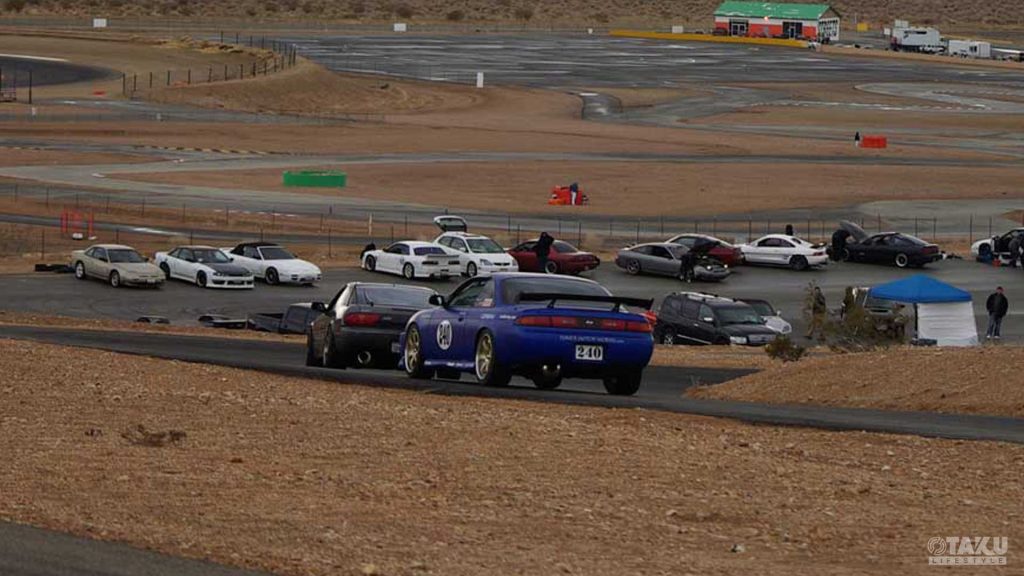
That is when he mentioned he built a sim racing rig.
He told me it became the most efficient way to scratch that automotive itch without constantly thinking about the economy, logistics, scheduling, fuel costs, tire costs, maintenance, and everything else that comes with real-world motorsports. Honestly, that made a lot of sense.
Then I remembered a few of my other friends also got into sim racing. Not casual gamers either. These were people who came from actual road racing, drifting, and track backgrounds. One of them was even a former Formula Drift Pro driver.
That was the moment it clicked for me. Without overthinking it too much, I decided to build one. Honestly, the process reminded me a lot of building a PC.
Researching parts.
Comparing ecosystems.
Watching reviews.
Asking friends for recommendations.
Balancing performance, reliability, and budget.
The deeper I went, the more I realized sim racing has become its own world.
After reaching out to friends and people I trust, I decided to go with the Sim Racing Pros SR-8 V2 cockpit paired with the Simagic ecosystem.
I wanted something solid, clean, immersive, and expandable long term.
I’ll share the links below for anyone curious. I’m not affiliated with any of these companies, so there are no referral links or commissions involved.
This is simply me sharing what I ended up choosing for my first setup.
My Goal With This Post
This is my first time building a sim racing rig, so honestly, I have no idea what I’m doing.
My questions are probably the same “dumb questions” many beginners have when they first enter this hobby.
The problem is, a lot of the answers online are either overly complicated, buried deep inside Reddit threads, or never directly answered at all. Sometimes you just want someone to get to the point.
So my goal with this post is simple:
If one day you decide to build your own sim racing rig too, hopefully this helps answer some of the beginner questions that are harder to find clear answers for.
First: You Need a Cockpit
The first thing you need is a cockpit.
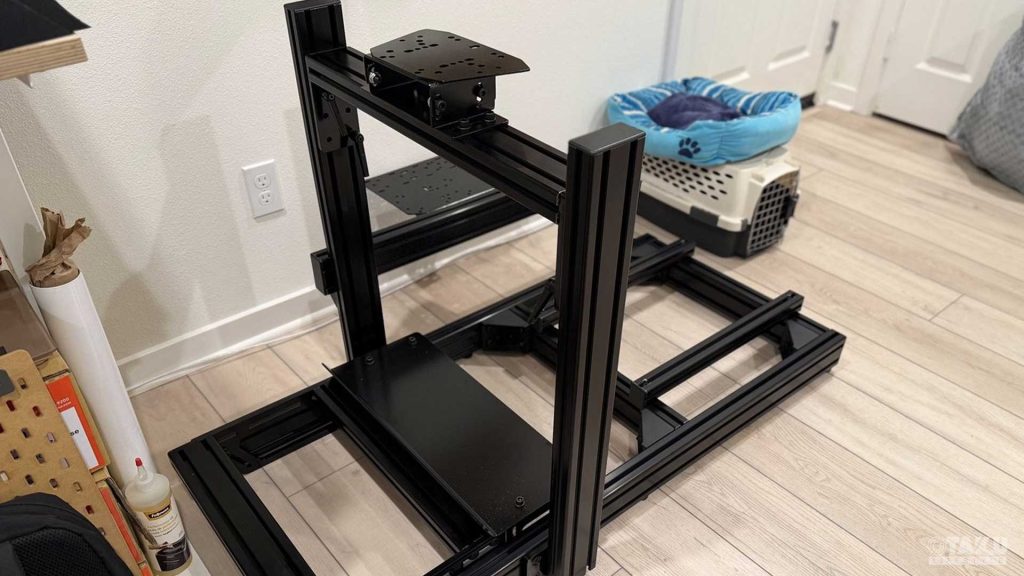
Honestly, the best cockpit is the one that fits your budget, your room, and your goals.
If you Google “sim racing cockpit,” the world is basically your oyster.
There are endless options ranging from folding setups to full aluminum profile racing stations that look like they belong inside an actual race garage. After asking friends for recommendations, I decided to go with the Sim Racing Pros SR-8 V2.
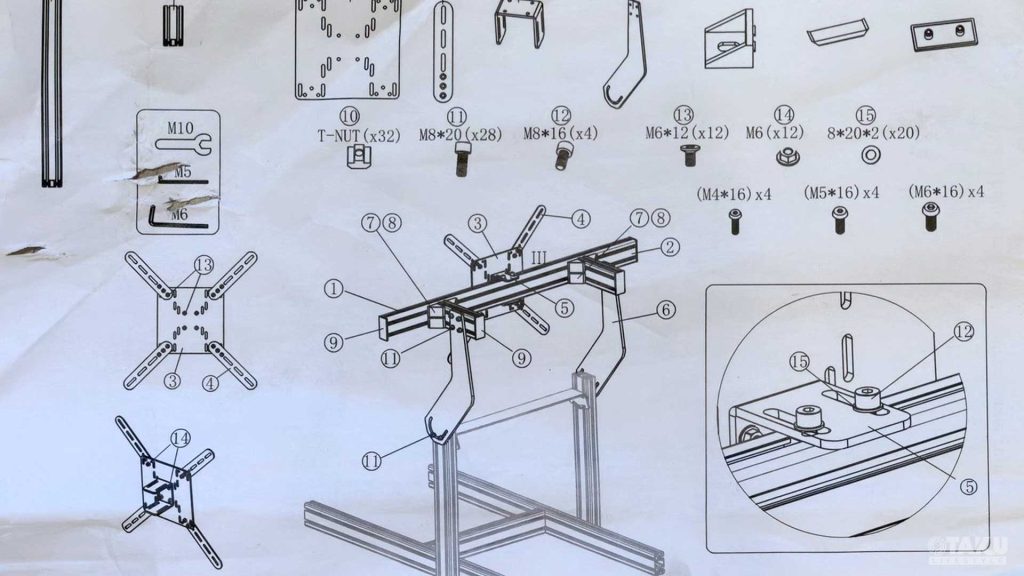
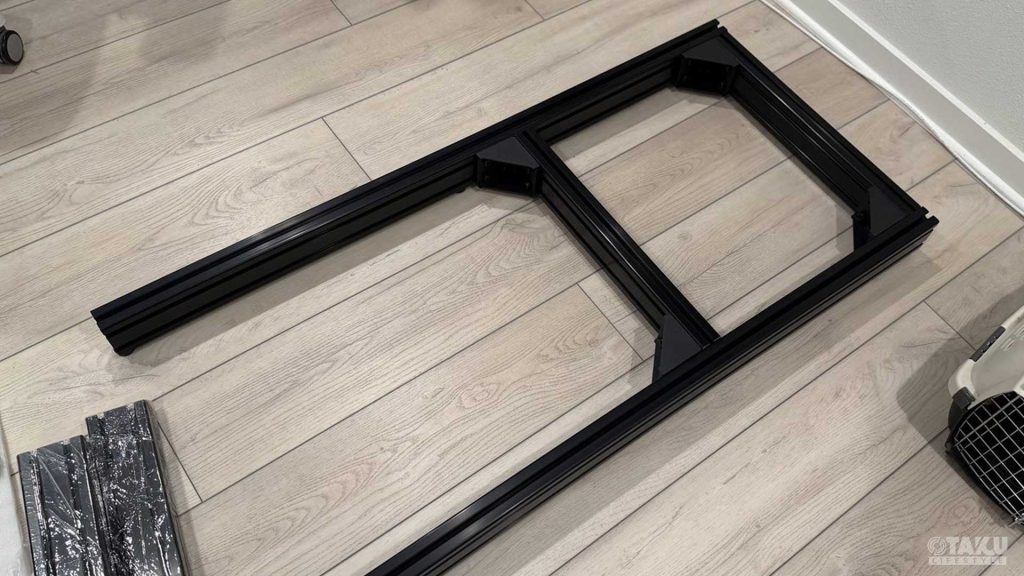
Overall, I would call it a moderate build. Not impossible, but definitely not IKEA-level easy either.
The instructions are not very clear and require a bit of critical thinking during assembly.
For example, the bags of screws and bolts are not properly labeled. Even though the instructions tell you which screws to use, you still find yourself holding a bolt wondering:
“Wait… is this the 20mm? 25mm? 16mm?”
So there is definitely some trial and error involved during the build process.
I also ordered the Integrated Monitor Stand from Sim Racing Pros because eventually I want to mount a large curved monitor and complete the full setup properly.
Second: You Need an Ecosystem
The second thing you need is an ecosystem.
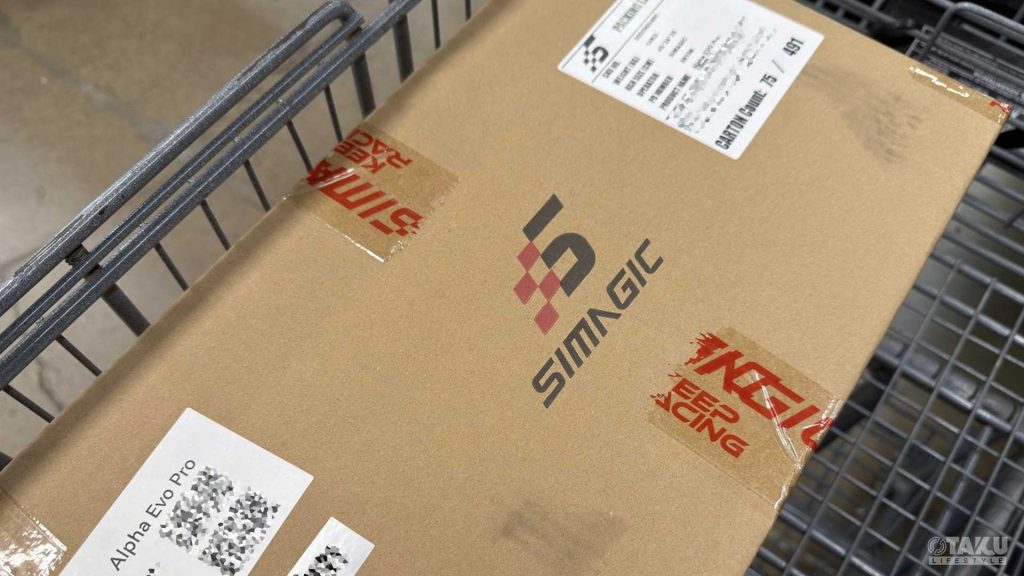
This is where things started getting overwhelming for me.
After reading through Reddit and watching countless videos, I realized most of the sim racing community mixes and matches components from different brands.
One company for the wheelbase.
Another for pedals.
Another for the shifter.
Another for accessories.
That approach honestly makes sense because people optimize for preference and performance.
But since this was my very first build, I decided to keep things simple and stay inside one ecosystem.
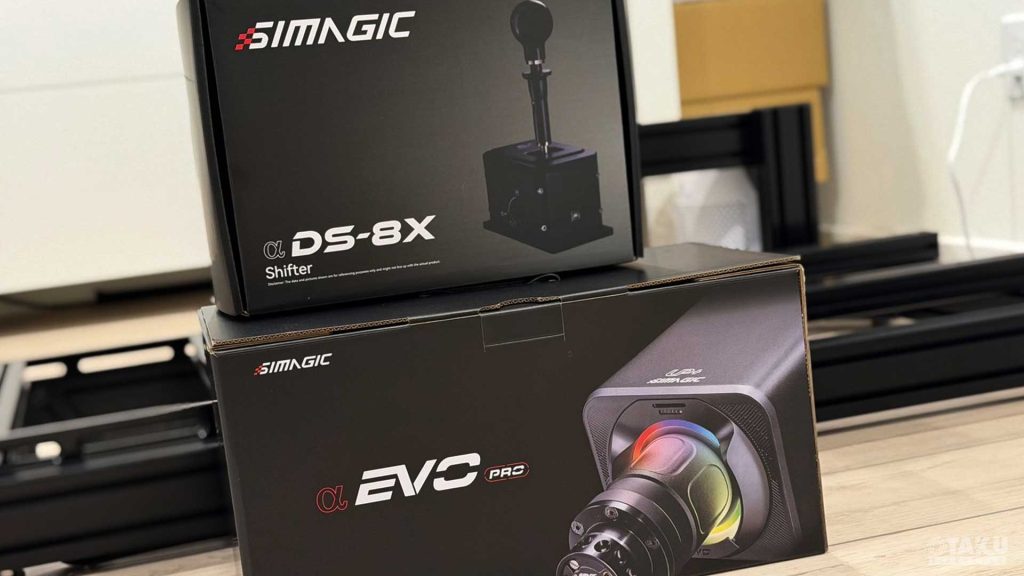
I ended up choosing Simagic for pretty much everything.
One of my buddies originally got me interested in Simagic because of his profession, and another friend mentioned Simagic would most likely be his next upgrade path. He also told me something that stuck with me:
When it comes to sim racing, it is important to think long term.
He mentioned one of the mistakes he made was upgrading too many times and spending more money in the long run trying to “work his way up.”
That honestly made a lot of sense to me.
So I started researching Simagic more seriously, watched reviews, compared ecosystems, and eventually decided to go with them.
So far, this is what I ordered:
Simagic Setup
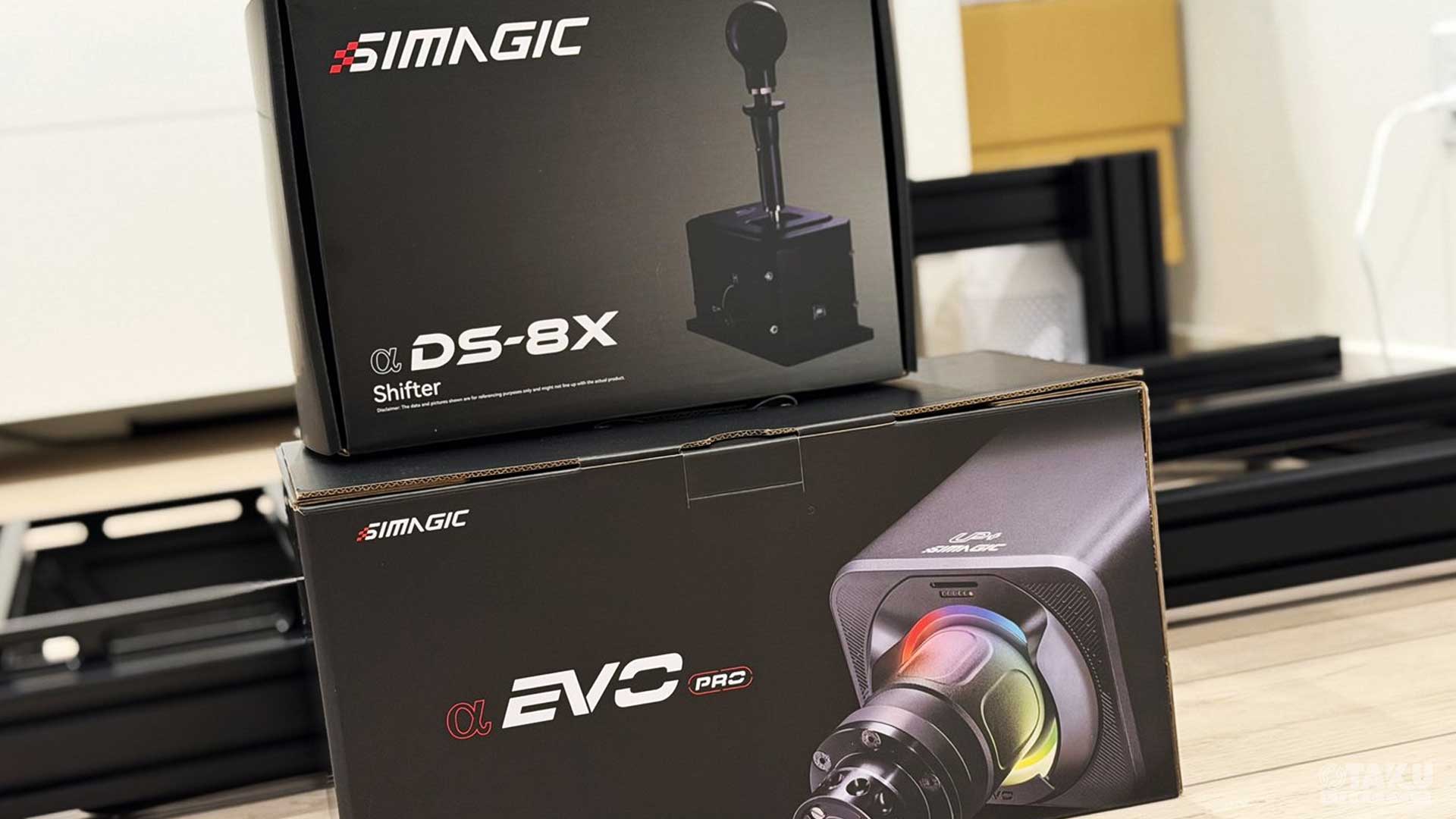
- Wheel Base: Alpha Evo Pro 18Nm
(This thing is HEAVY.) - Shifter: Alpha DS-8X
(Supports both H-pattern and sequential shifting) - Pedals: P1000i RS Hydraulic Pedal Set
- Steering Wheel: Zeus Sport Steering Wheel
(Currently on pre-order)
Side note: Quick link to their distributors.
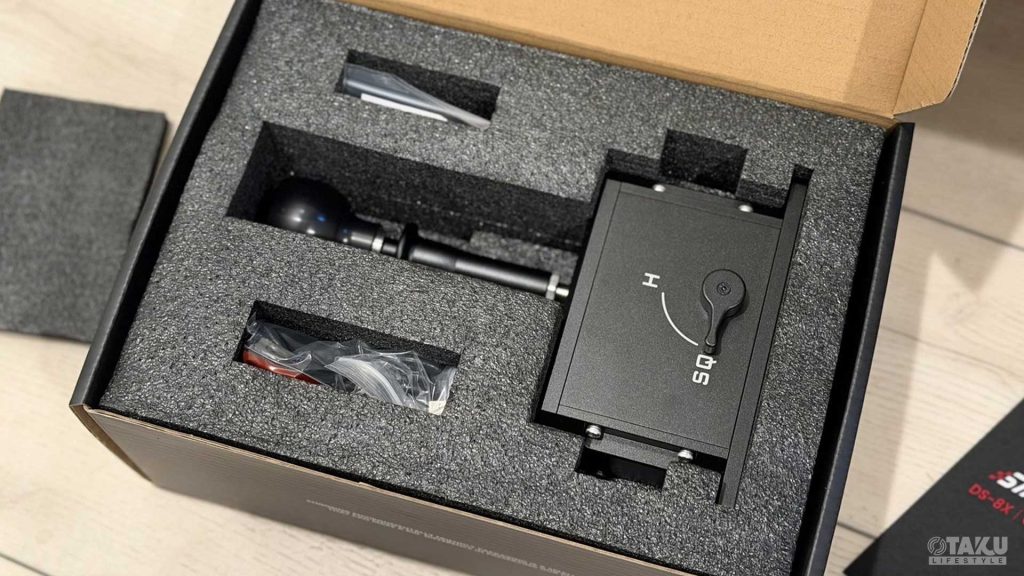
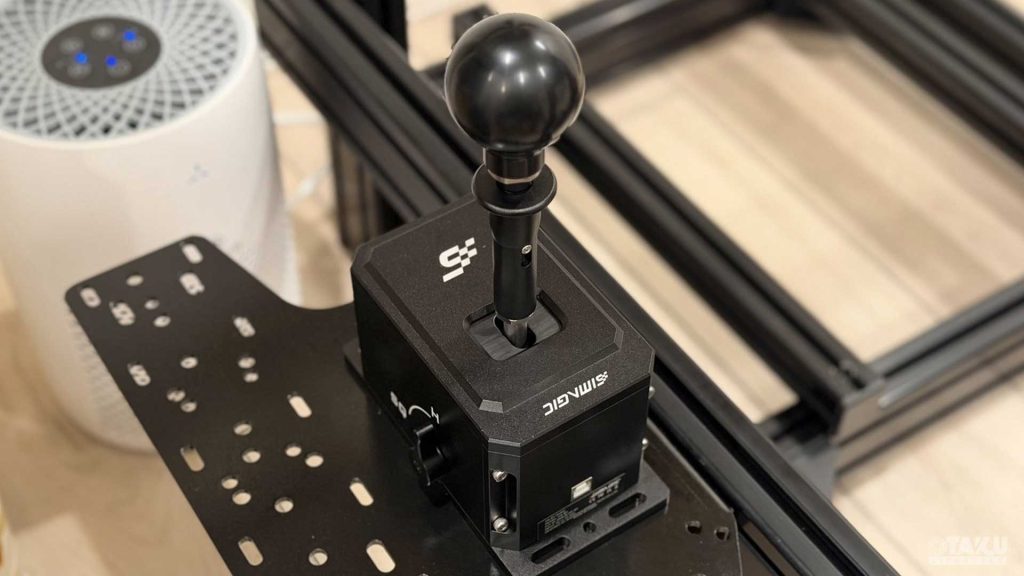
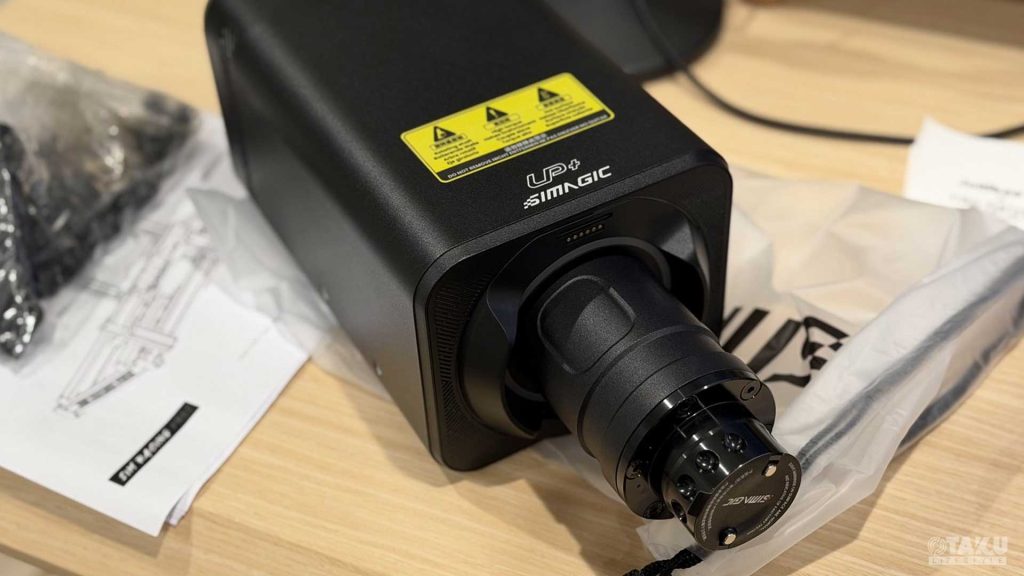
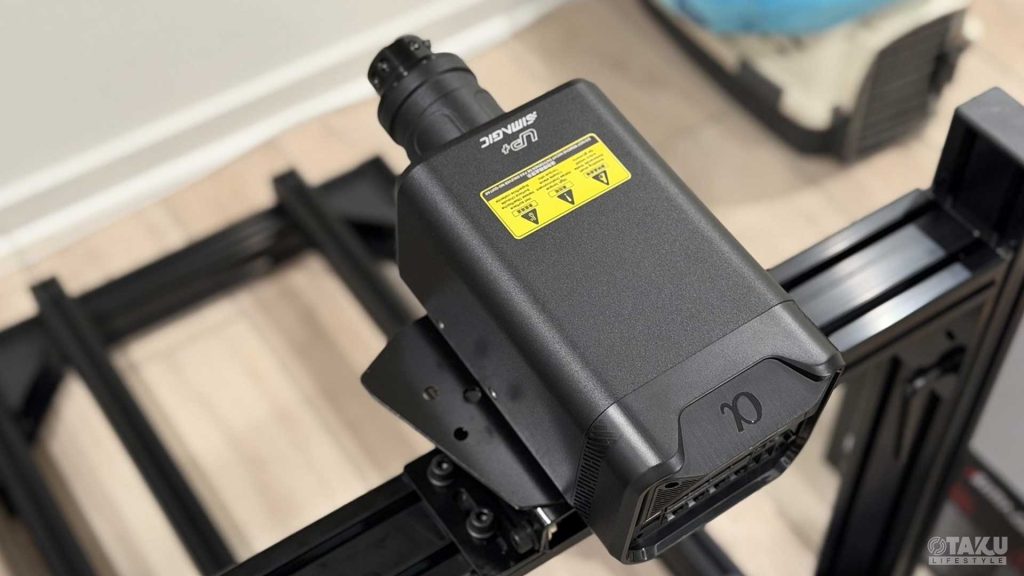
So far I have only received the wheel base and the shifter, and honestly, seeing them mounted on the rig already made everything feel real.
Third: The Monitor Setup
Next, you need to decide on your monitor setup.
Single monitor?
Triple monitor?
Ultra-wide?
VR?
This becomes another rabbit hole very quickly. Right now I’m leaning toward a giant curved monitor setup.
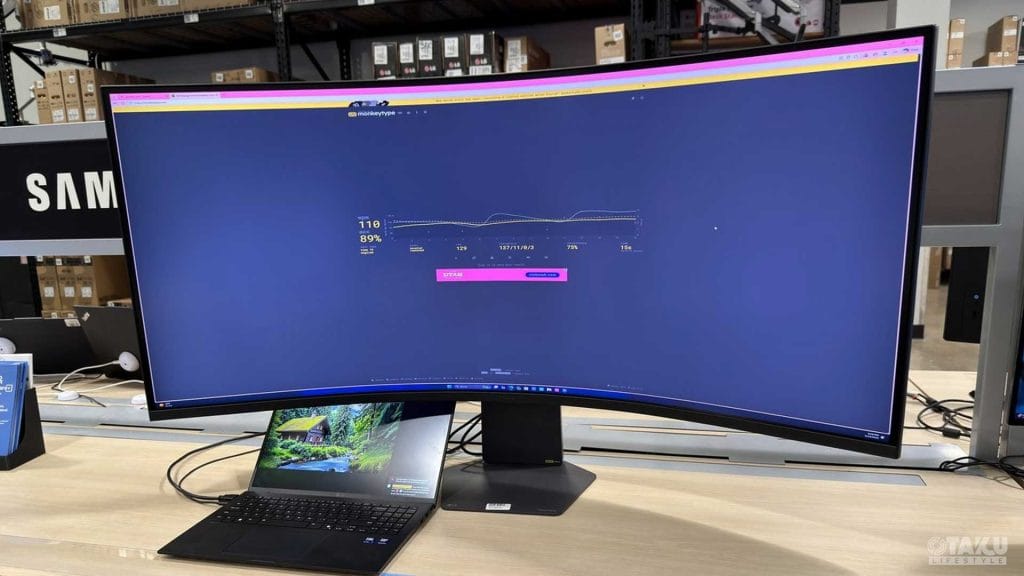
I’m still debating between two options at the moment, so I’ll probably share comparisons later once I decide.
That said, I’ve seen some absolutely insane triple monitor setups online and I completely understand why people go that route. The immersion looks incredible. At the same time, I figured I can always expand later if I really get deep into the hobby.
Trying not to financially destroy myself all at once here.
Fourth: Add Your Style
This is the part I actually got excited about.
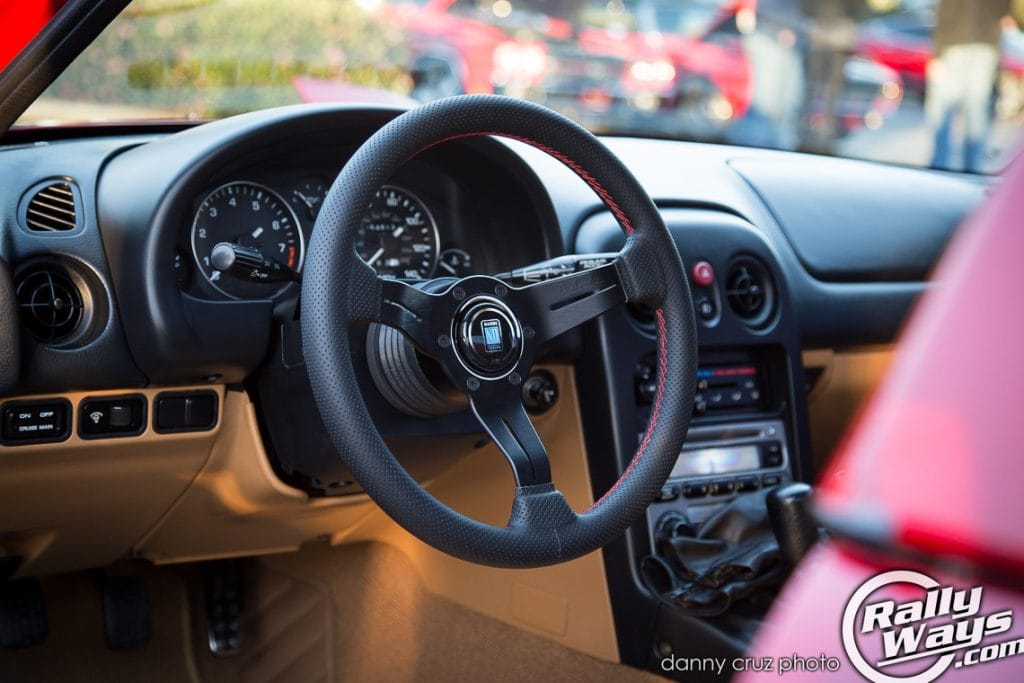
Originally, I wanted to use a Nardi 330mm Deep Corn steering wheel because I love the look and nostalgia behind it.
But reality kicked in. I need buttons. So I scratched that idea and went with the Zeus Sport steering wheel instead.
Now for the seat… I did not want a gaming chair. I wanted the real deal.
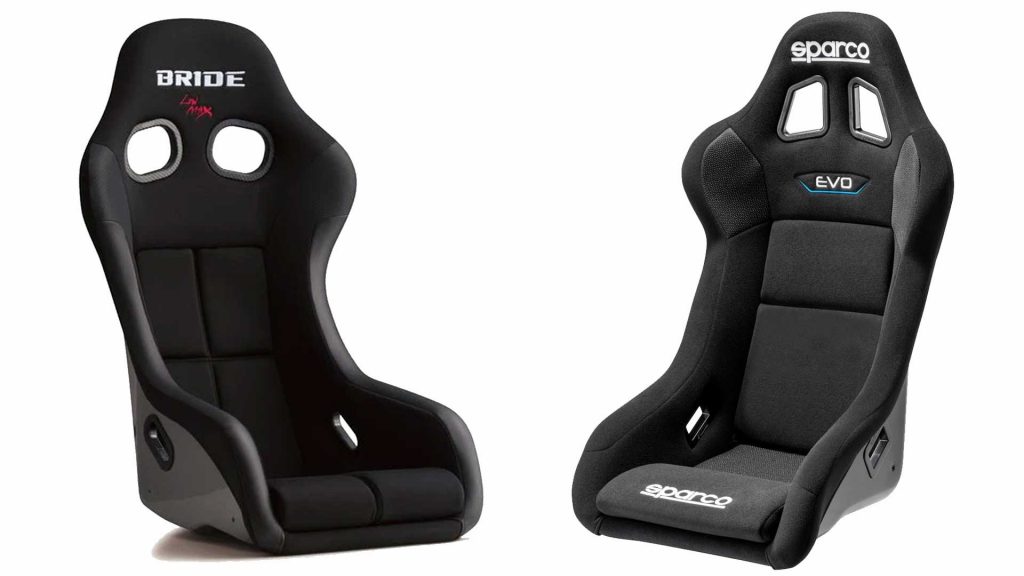
So I’ve been looking around at actual racing seats like the Bride Low Max or the Sparco Evo. Honestly, the final decision probably depends on how irresponsible I decide to become with my wallet.
To Be Continued…
More updates once the next set of parts arrives.
Hopefully this blog helps anyone else thinking about getting into sim racing for the first time.
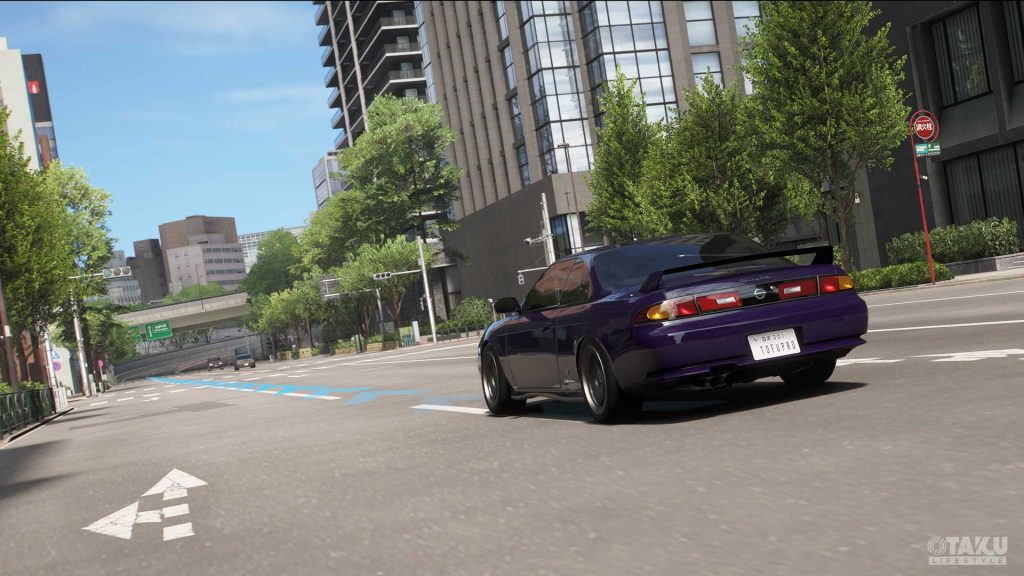
I genuinely have no idea what I’m doing, but maybe that’s part of the fun. And yes… this entire setup might be complete overkill just to play Forza Horizon 6 and Gran Turismo. My friends keep telling me to get into Assetto Corsa too. Apparently that’s where things start getting really serious. I think I’m very late to that franchise, so I’ll have to check it out.
Honestly though, it feels good reconnecting with a part of myself that I have not really had time for in years. Maybe this is just another reminder that growing older does not mean letting go of the things you love.
Sometimes you just find a different way to experience them.





What do you think?
Show comments / Leave a comment