



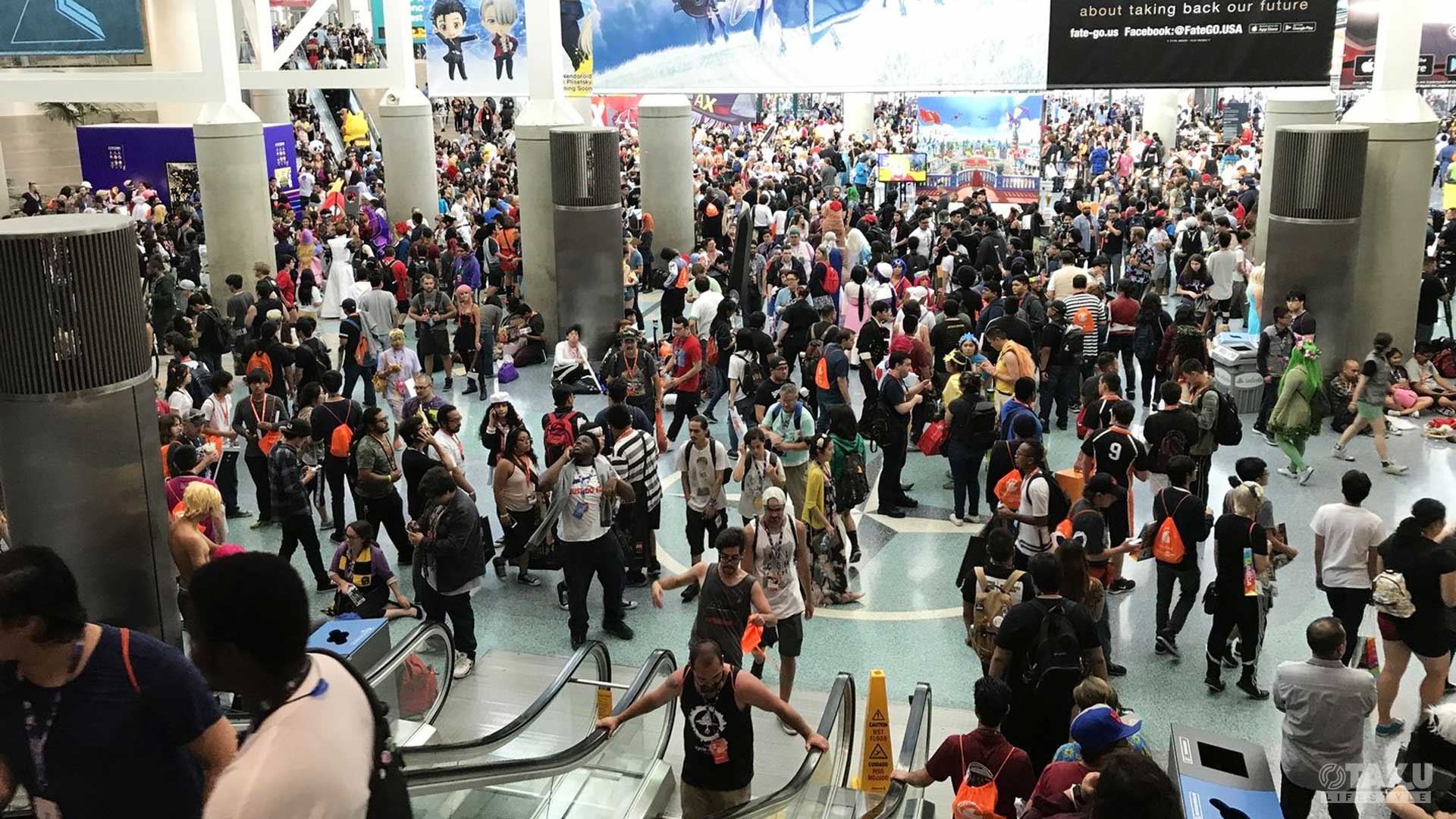

Anime is bigger today than it has ever been.
It’s global now. Streaming platforms, collaborations with major brands, conventions around the world, and panels at events like SXSW talking about how anime became a worldwide cultural force.
Seeing those conversations happening on stages like that is interesting. It shows how far the medium has come. But watching some of those panels recently made me think about something I’ve noticed for a long time.
Some of the people talking about the culture weren’t actually there when the culture was growing. And that gap can sometimes be felt.
Before It Was Global
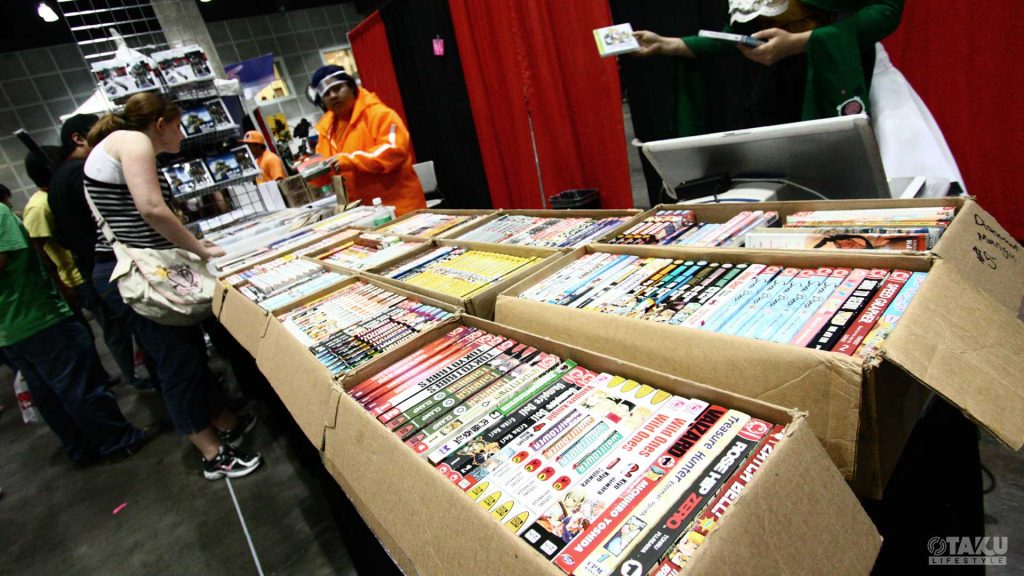
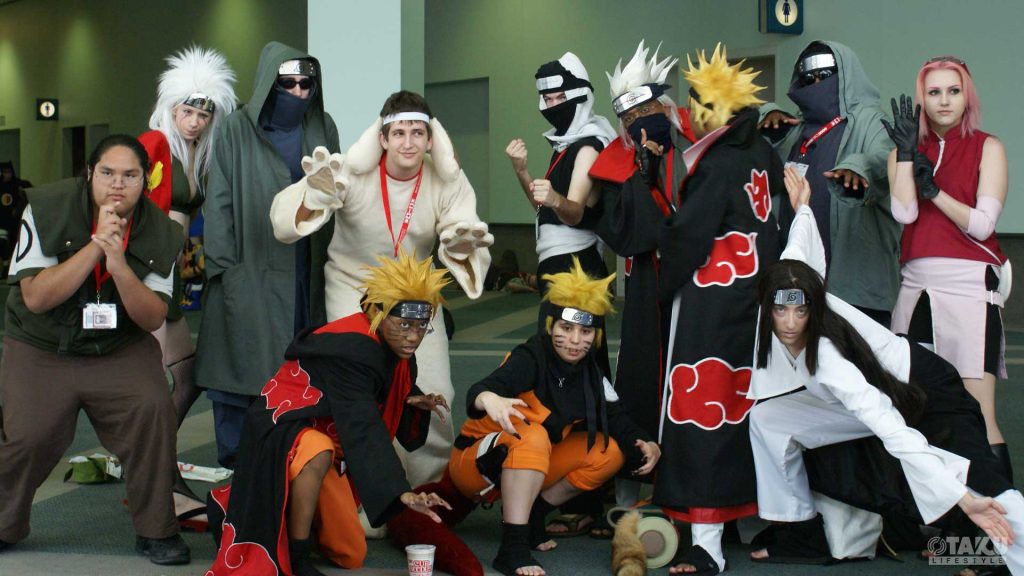
There was a time when anime wasn’t easy to find. You had to look for it. VHS tapes passed around between friends. Imported magazines. Early internet forums where fans shared information because there weren’t many official sources. Small communities forming around something that felt niche at the time.
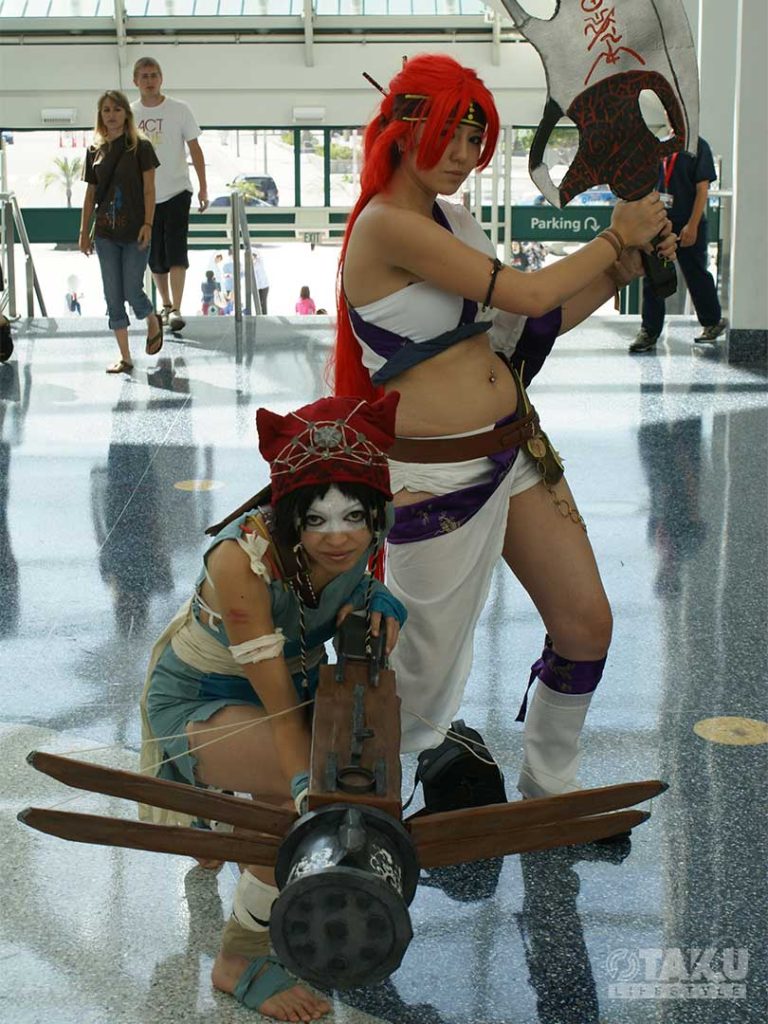
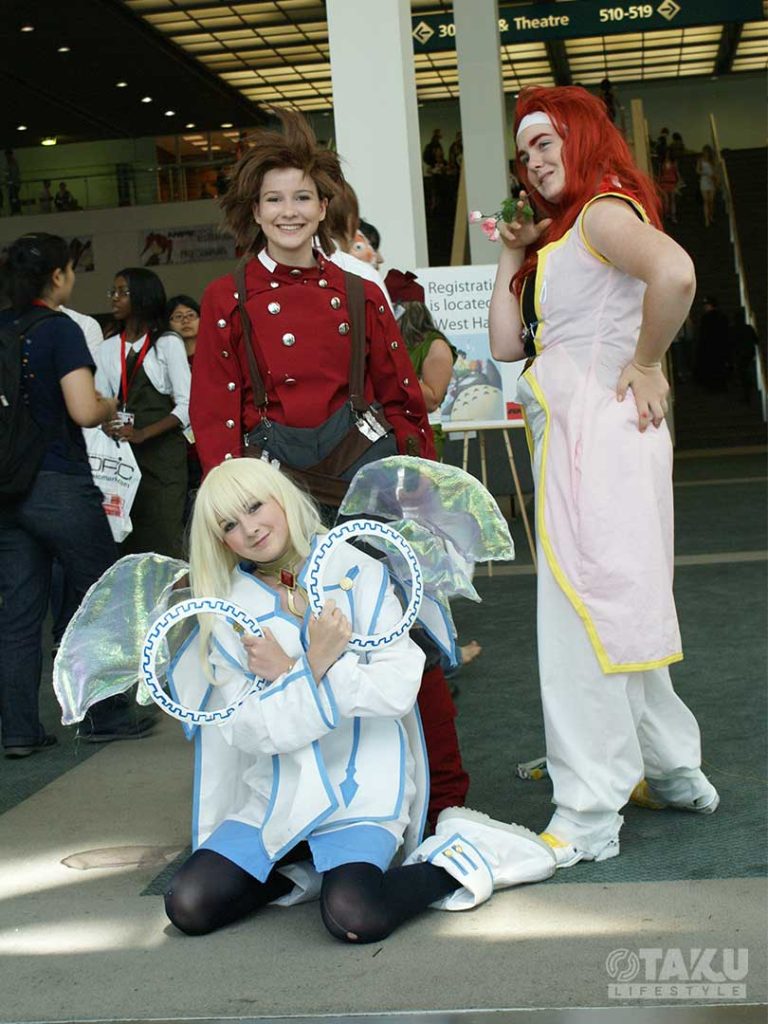
For many of us, it wasn’t just entertainment. It was something we actively pursued because it spoke to us in a different way. That shared interest created friendships, communities, and a culture that grew organically over time.
When the Industry Arrives
As anime became more popular internationally, the industry around it expanded. Streaming platforms invested heavily. Licensing increased. Marketing campaigns got bigger. Conventions grew.
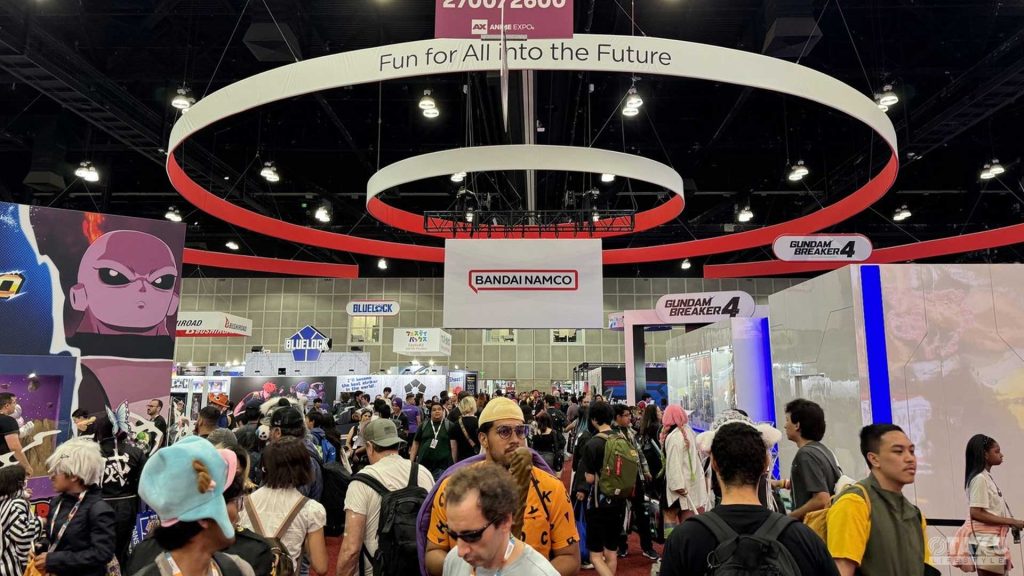
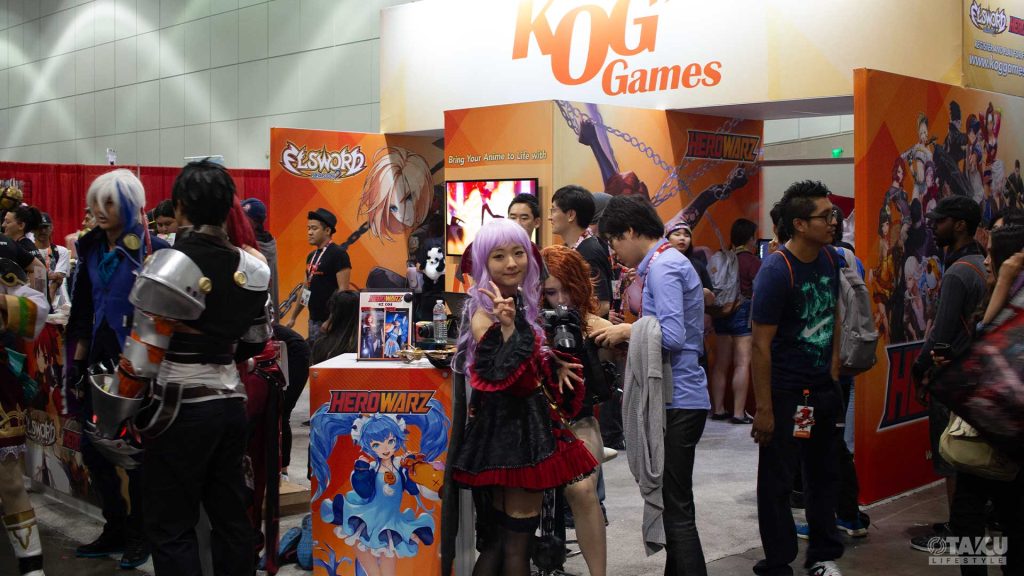
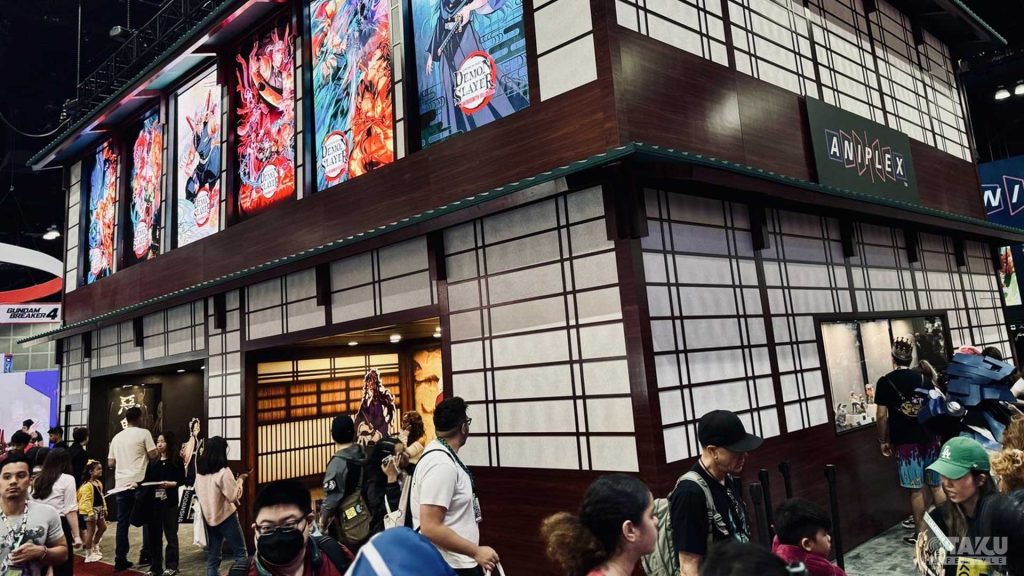
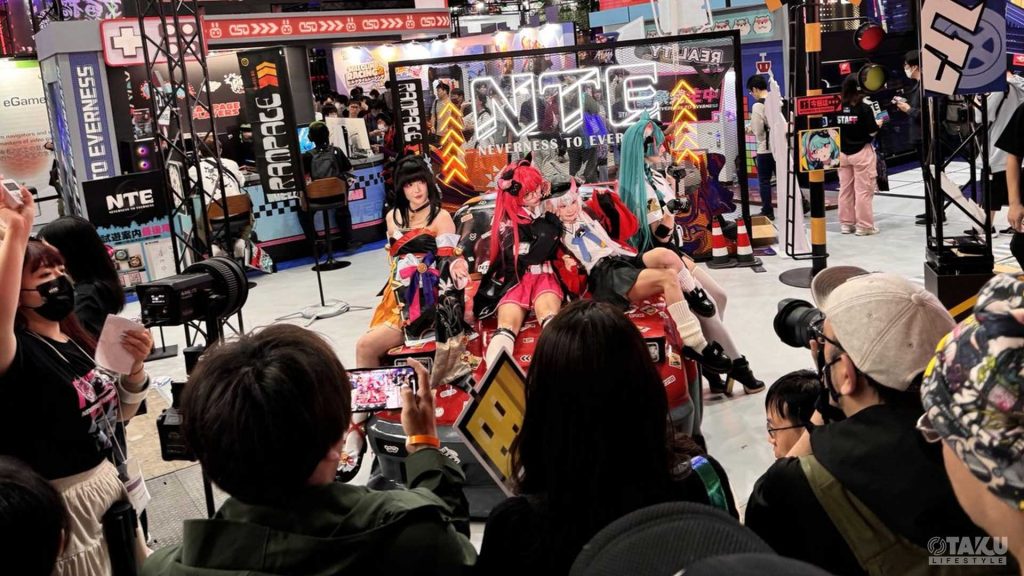
That growth is a good thing. It means more visibility for creators and studios, and it opens the door for new audiences to discover something special. But with growth also comes something else. More people enter the space because the industry itself is growing. Some of them genuinely come to appreciate the culture. Others simply arrive because anime is now a successful global market.
That difference in perspective can sometimes show.
Culture vs Content
For fans, anime has always been more than just “content.”
It’s conventions, fan art, cosplay, figures, music, games, and communities built around shared passion. It’s something people spend years exploring and connecting over.
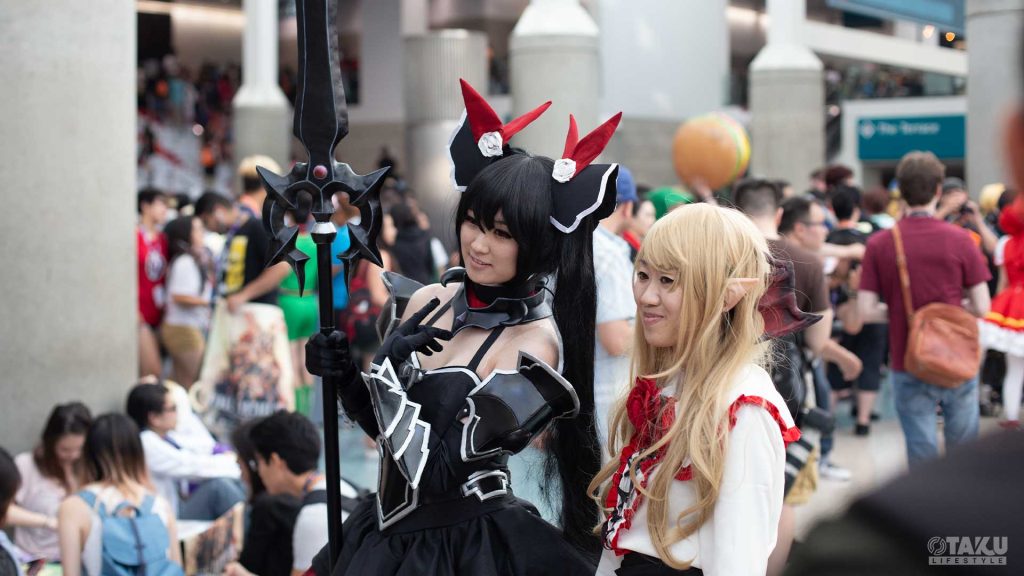

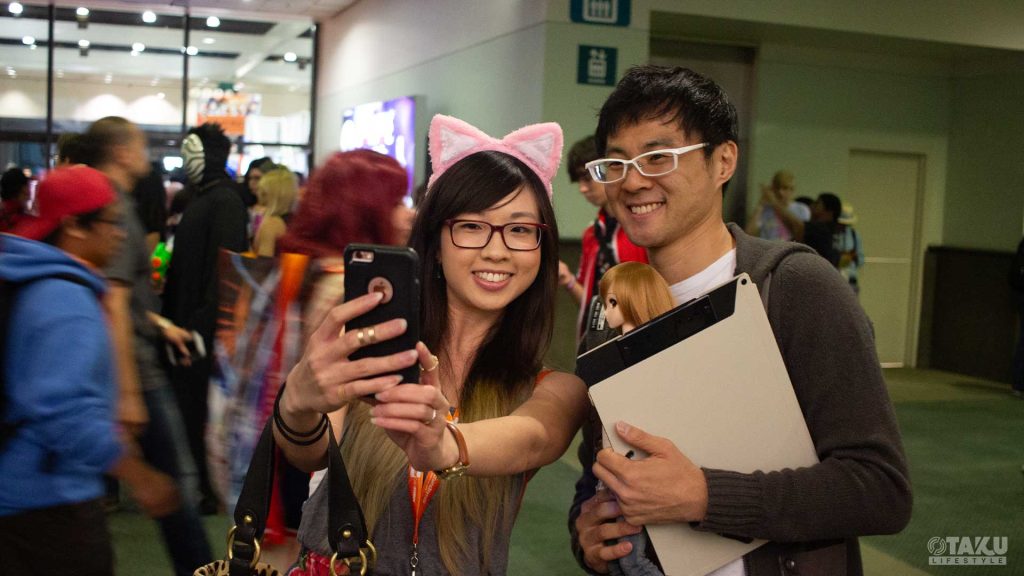
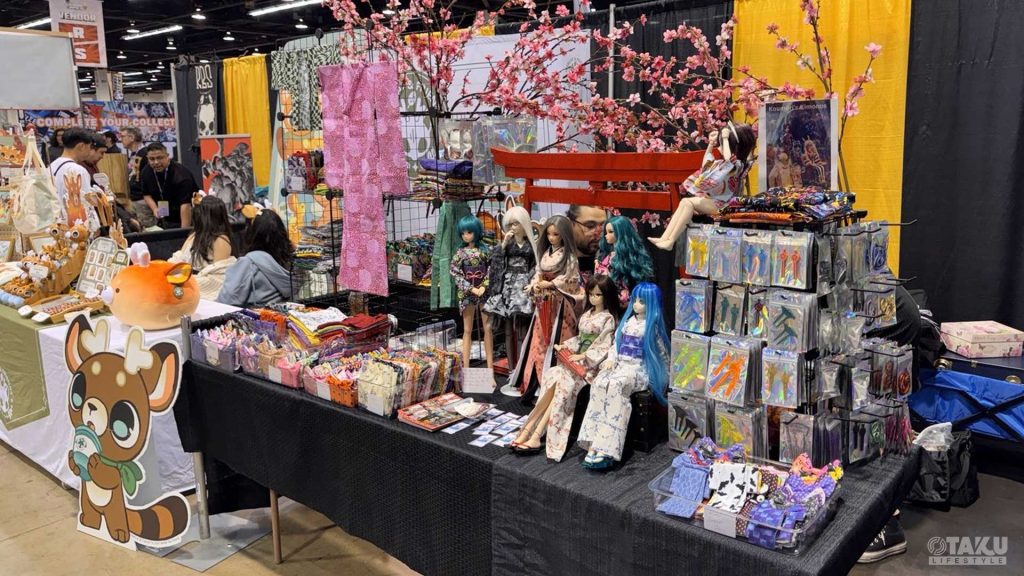
When you live inside that culture, you understand it differently. You recognize the small details that matter to fans. You understand why certain series resonate. You know when something feels authentic and when something feels like it’s just following a trend.
That perspective can’t really be learned from a market report.
The Disconnect
When you watch certain panels or conversations about anime today, you sometimes hear it described purely in business terms. Audience growth. Market expansion. Global IP strategy. Those things matter, of course. But when the conversation focuses only on the industry side, something important gets lost.
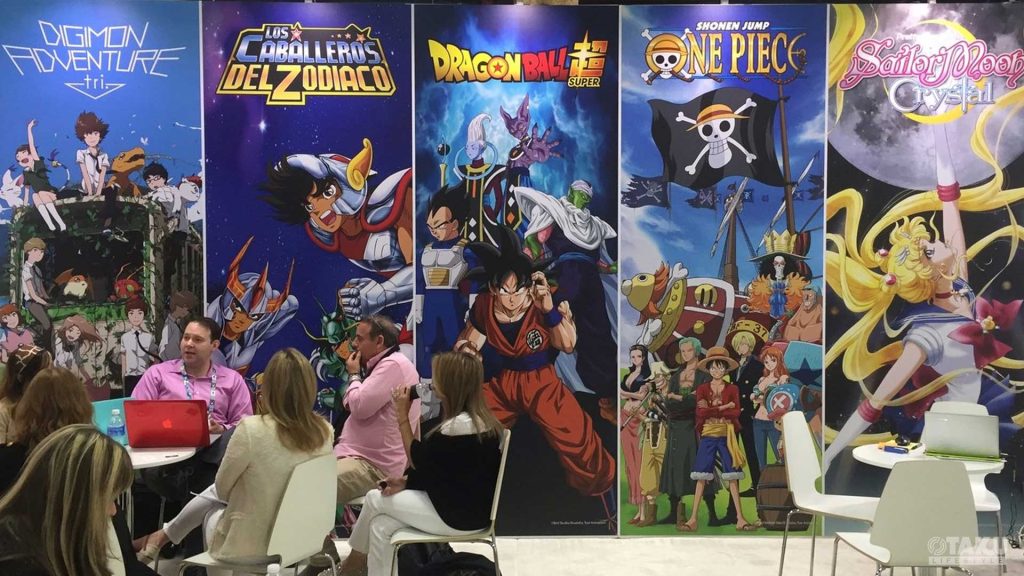
Anime didn’t become a global phenomenon because a business plan decided it should. It grew because fans around the world connected with it long before it became mainstream.
Why That History Matters
The anime world needs both sides. It needs professionals who can help the industry grow responsibly. But it also needs people who understand the culture that built it in the first place.
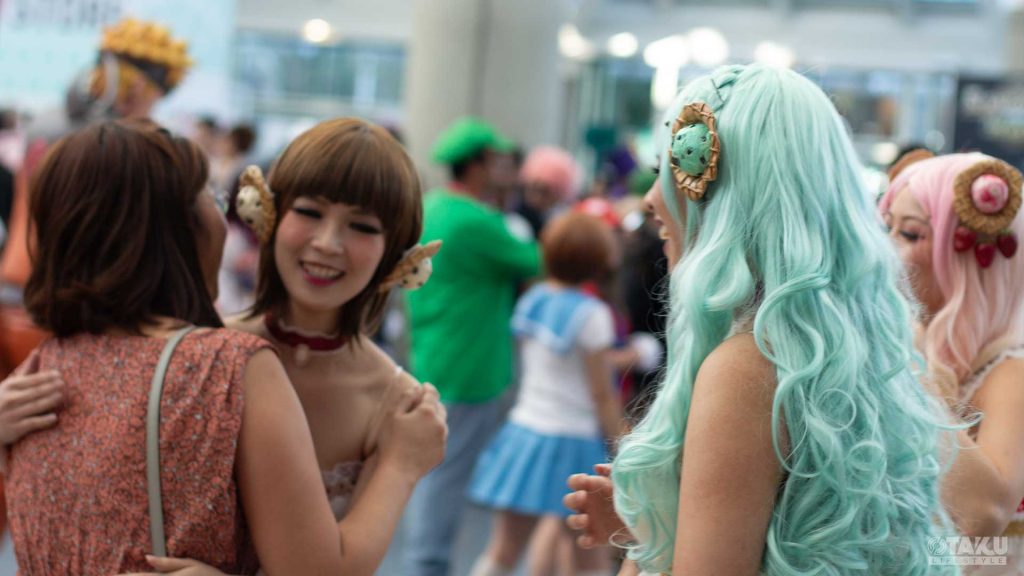
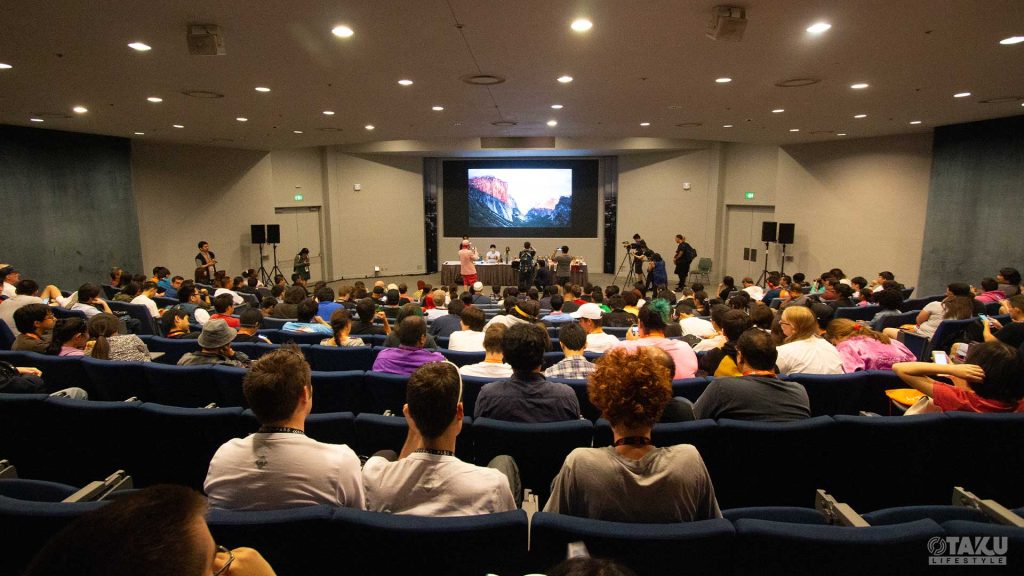
The best outcomes usually happen when those perspectives work together. Because the passion behind anime didn’t start on conference stages.
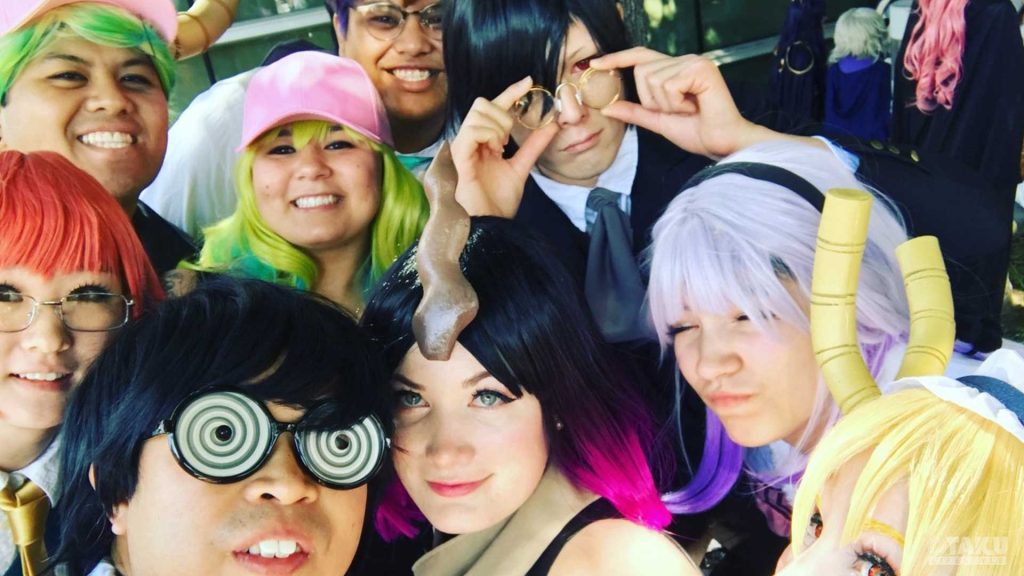
It started with fans. And the closer the industry stays connected to that culture, the stronger the future of anime will be.




What do you think?
Show comments / Leave a comment