



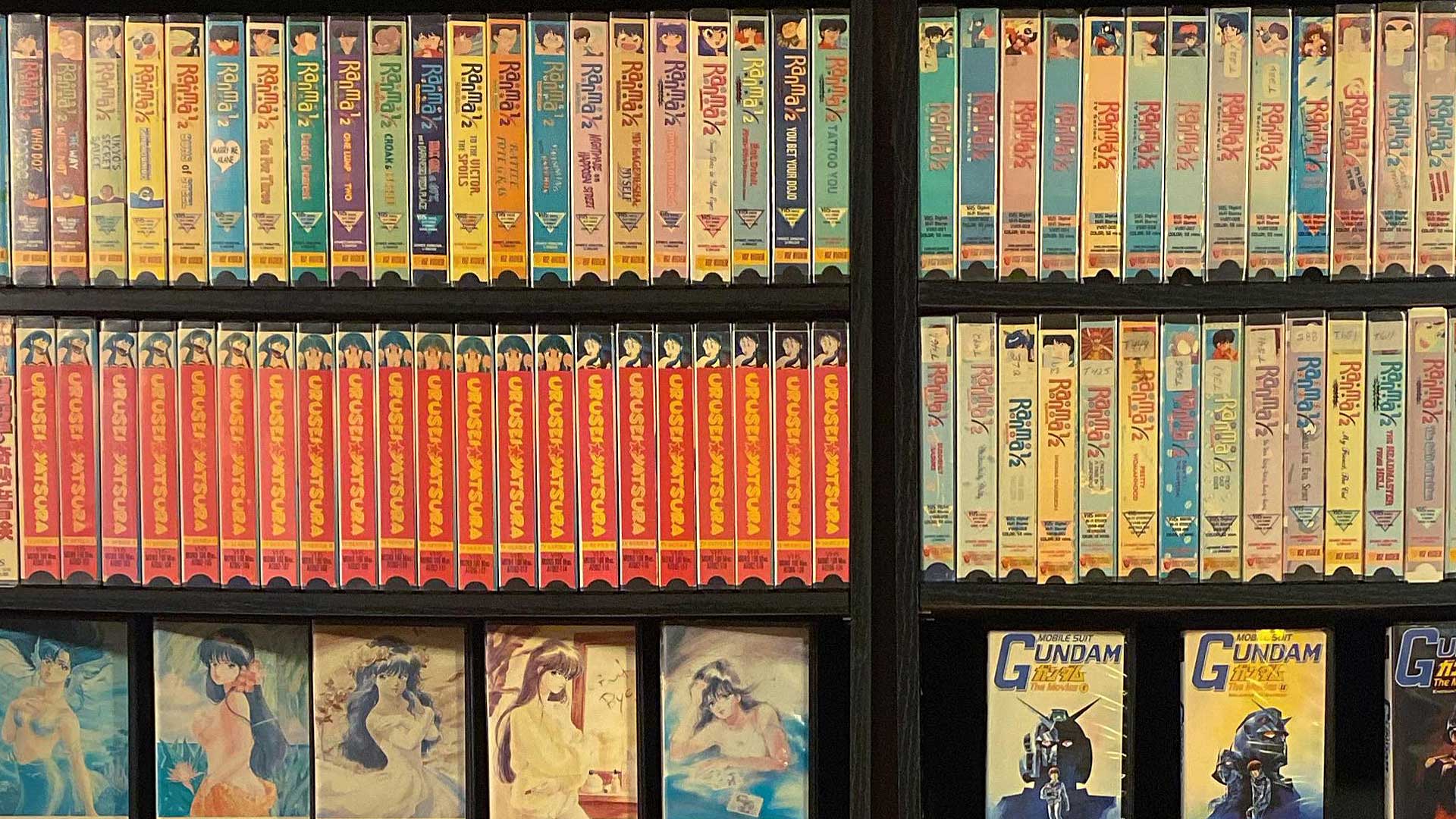

Feature Image: Photo from r/animevhs user – lookoutforlunch
People often ask me how I started working in tech, media, and creative industries. The truth is, it did not begin with school or any formal training. It started much earlier, in a small and unexpected way. It started with anime.
Back in middle school and through high school, anime was a big part of my life. My friends and I collected VHS tapes, traded them, and watched anything we could find. Sharing them was difficult because VHS tapes were bulky and slow, so my friend and I tried to figure out how to digitize them.
Anime → Ralph → Juan → Ryan → Anime VHS
Through anime and video games, I met a friend named Ralph. He had a brother named Juan, and Juan had a friend named Ryan. Through that chain of friendships, I eventually met Ryan, and that connection changed everything.
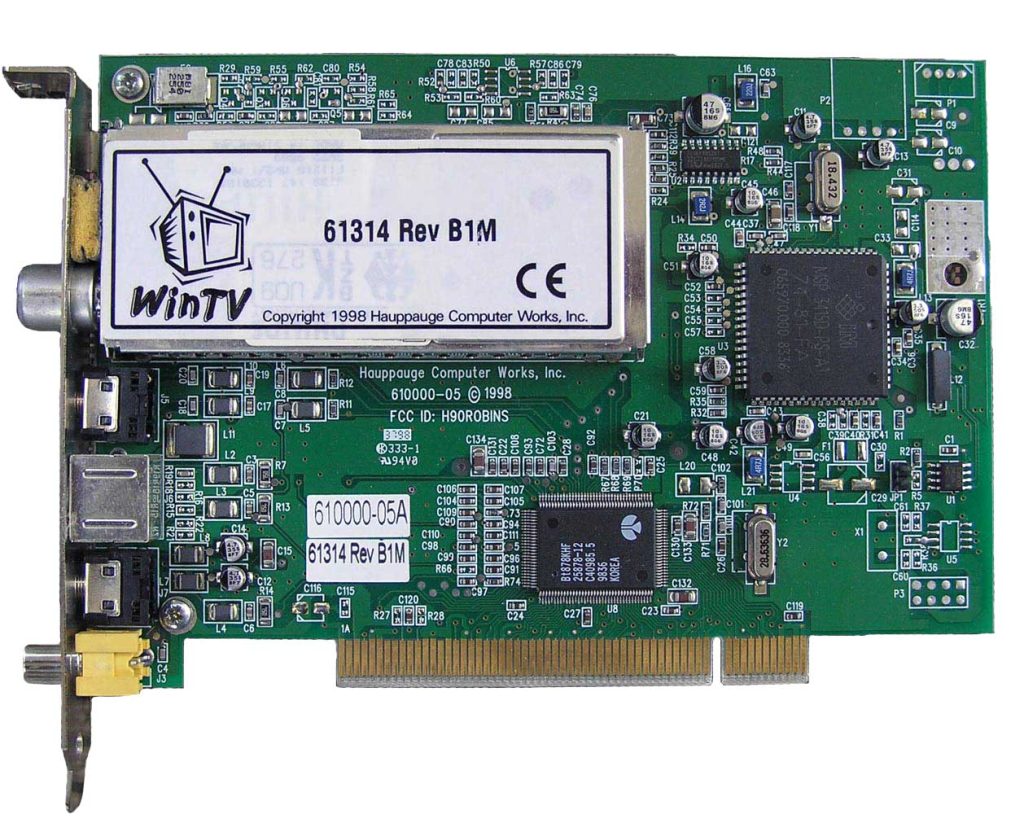
Ryan was the most technically skilled person I knew at the time. He taught me how to repair computers, how to understand software, and how to explore new tools. The biggest breakthrough came when he introduced me to a device called WinTV. With it, we could connect a VCR to a Windows 98 PC and capture video straight from the tape. That was my first real exposure to digital video.
We learned about formats like AVI, MOV, MPEG2, DIVX, and others. We experimented with quality settings, compression methods, and file sizes. It was all trial and error. We were just kids trying to make anime easier to watch and share. We spent countless hours playing with quality settings, file sizes, and compression methods, trying to find the perfect balance so the videos would fit on CDs while still looking good.
Ryan also had an incredible anime collection. Ranma 1/2, Slayers, Fushigi Yuugi, Ah My Goddess, Tenchi Muyo, and many others. Because of him, my anime library grew, and so did my technical knowledge. Once we figured out a format that worked, we started digitizing everything. CD burners became our best friend. We made digital copies of our anime so we could share them with friends. This was long before Napster, before anti-piracy crackdowns, before any of us understood the scale of what we were doing. We were just kids trying to make anime easier to watch.
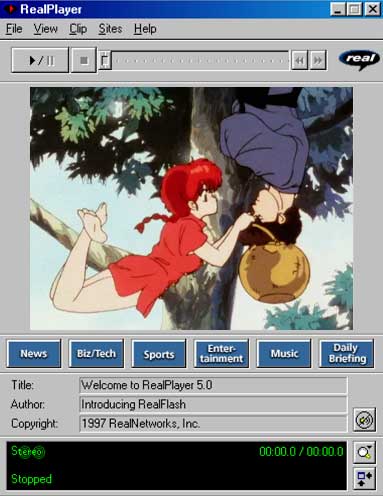
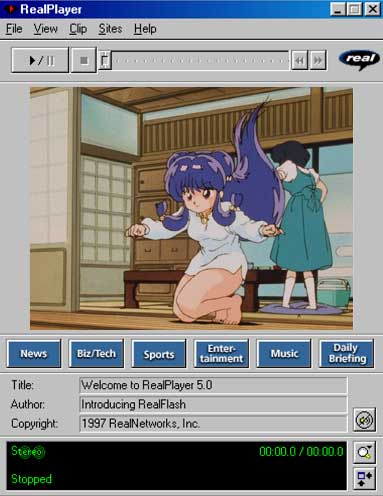
Around that time, I also started exploring what else I could do with the digital files we were creating. RealPlayer had just introduced the idea of streaming video over the internet. Out of curiosity, I tried to see if I could stream anime episodes on my GeoCities website. I learned that RealPlayer could handle local playback with .rm files, but switching to a .ram file made it streamable over the internet. It felt like a discovery.
The problem was that consumer internet speeds back then were terrible. Full episodes were too large and the streaming quality was too slow. The idea did not work the way I hoped. Instead, I focused on sharing smaller clips. I streamed opening themes and ending sequences, since those were short enough to handle. It was not much, but at the time it felt like I was experimenting with technology that was way ahead of what most people were doing.
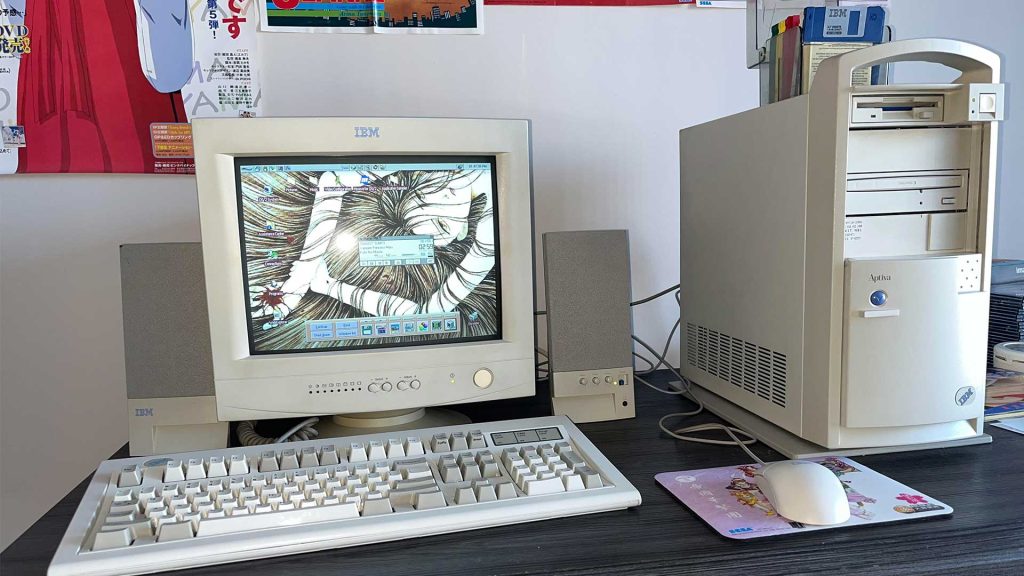
Between digitizing VHS tapes, playing with file formats, repairing computers, testing RealPlayer, and building little anime websites on GeoCities, I was unknowingly building the foundation of my future career. These early projects taught me how digital media worked. They taught me how to troubleshoot, how to experiment, and how to solve problems. Those skills would later become essential to everything I did in post-production, media workflows, gaming, cloud services, and creative technology.
It is funny looking back. None of this felt like training. It was just curiosity and a hobby I loved. But anime, technology, and the community around it guided me toward the path I eventually took. That is what truly jumpstarted my professional career.
Anime VHS → Digitizing → CDs → GeoCities → RealPlayer → Streaming → Media Workflows → Career




What do you think?
Show comments / Leave a comment